
„Dovolte světu, aby žil, jak chce, a sobě, abyste žili, jak chcete.“
Richard Bach (1936) americký duchovní spisovatel
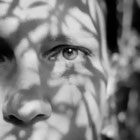
„Dovolte světu, aby žil, jak chce, a sobě, abyste žili, jak chcete.“
Richard Bach (1936) americký duchovní spisovatel
„Můžete ztratit jen něco, co máte, ale nemůžete ztratit něco, čím jste.“
Eckhart Tolle (1948) německý spisovatel
„O štěstí se nedá usilovat, musí přijít samo.“
Viktor Frankl (1905–1997) rakouský horolezec, neurolog, psychiatr a vysokoškolský pedagog
“"Normal" people are the sickest.”
Erich Fromm (1900–1980) German social psychologist and psychoanalyst
Kontext:
Normal people are the sickest, and sick people are the healthiest. That may sound witty or perhaps exaggerated, but I’m quite serious, it’s not just an amusing formula. The sick person reveals that certain human things aren’t yet so suppressed, that they come into conflict with the cultural patterns, and create symptoms through this friction. The symptom, like pain, is only an indication that something is wrong. One is lucky to have a symptom. The symptom, like pain, is only an indication that something is wrong. One is lucky to have a symptom. One is lucky to be in pain when something is wrong. We know if you did not feel pain, you’d be in a very dangerous situation. But a great many normal people have adapted so much that they have abandoned everything that is their own. They’ve become so alienated, so much instruments and robotic, that they no longer sense conflict at all. That is, their actual feeling, love, and hate are so much repressed or so much atrophied that they give the image of a chronic mild schizophrenia.
Zdroj: Rozhovor viz https://www.instagram.com/p/DHB6yIZM_HN/
Erich Fromm (1900–1980) German social psychologist and psychoanalyst
Kontext:
Most people pretend that they are happy, even to themselves because if you are unhappy, you are considered a failure. So you must wear the mask of being satisfied or happy because otherwise you lose credit on the market, you’re no longer a normal person or a capable person. But you just have to look at people. You only have to see how behind the mask there is unrest, irritability, anger, depression, insomnia, unhappiness, what the french called “malaise”: already at the outset of the century one spoke of “malaise of the century”. This is what Freud called “the unease in culture”. But it’s not the unease in culture, it’s the unease in bourgeois society that turns people into workhorses and [ignores] all that is important: the ability to love, to be there for oneself and others, to think, not to be a tool for the economy, but the end of all economic activity. That is what makes people the way they are.
I think it’s a common fiction that people share, that the modern person is happy. But this isn’t only my observation, it can be found in a range of people, and you only need to open your eyes yourself and not be deceived by appearances.
Zdroj: Rozhovor viz https://www.instagram.com/p/DHUAWP6uga7/
Erich Fromm (1900–1980) německý filozof, psycholog a psychoanalytik
Zdroj: [Vaněk, Zdeněk, Kaleidoskop, Zdeněk Vaněk, Plzeň, 2009, 1, 420, 978-80-254-5071-0, http://kaleidoskop.webz.cz/Kaleidoskop.pdf, 13]
Erich Fromm (1900–1980) německý filozof, psycholog a psychoanalytik
The Anatomy of Human Destructiveness
Erich Fromm (1900–1980) německý filozof, psycholog a psychoanalytik
The Anatomy of Human Destructiveness
Erich Fromm (1900–1980) německý filozof, psycholog a psychoanalytik
The Anatomy of Human Destructiveness
„Dochází k zaměňování slušnosti za lásku.“
Erich Fromm kniha Umění milovat
kniha Umění milovat
Zdroj: kniha Umění milovat
Erich Fromm (1900–1980) německý filozof, psycholog a psychoanalytik
The Anatomy of Human Destructiveness
„Člověk cítí nebo dělá, co se od něj očekává, že bude cítit a dělat.“
Erich Fromm (1900–1980) německý filozof, psycholog a psychoanalytik
„Svoboda je břemeno, břemeno rozhodování.“
Erich Fromm (1900–1980) německý filozof, psycholog a psychoanalytik
„Přes naši nesmírnou touhu po lásce považujeme za důležitější téměř vše kromě lásky.“
Erich Fromm (1900–1980) německý filozof, psycholog a psychoanalytik


