“Habit with him was all the test of truth,
It must be right: I’ve done it from my youth.”
The Borough (1810), Letter iii, "The Vicar", line 138.
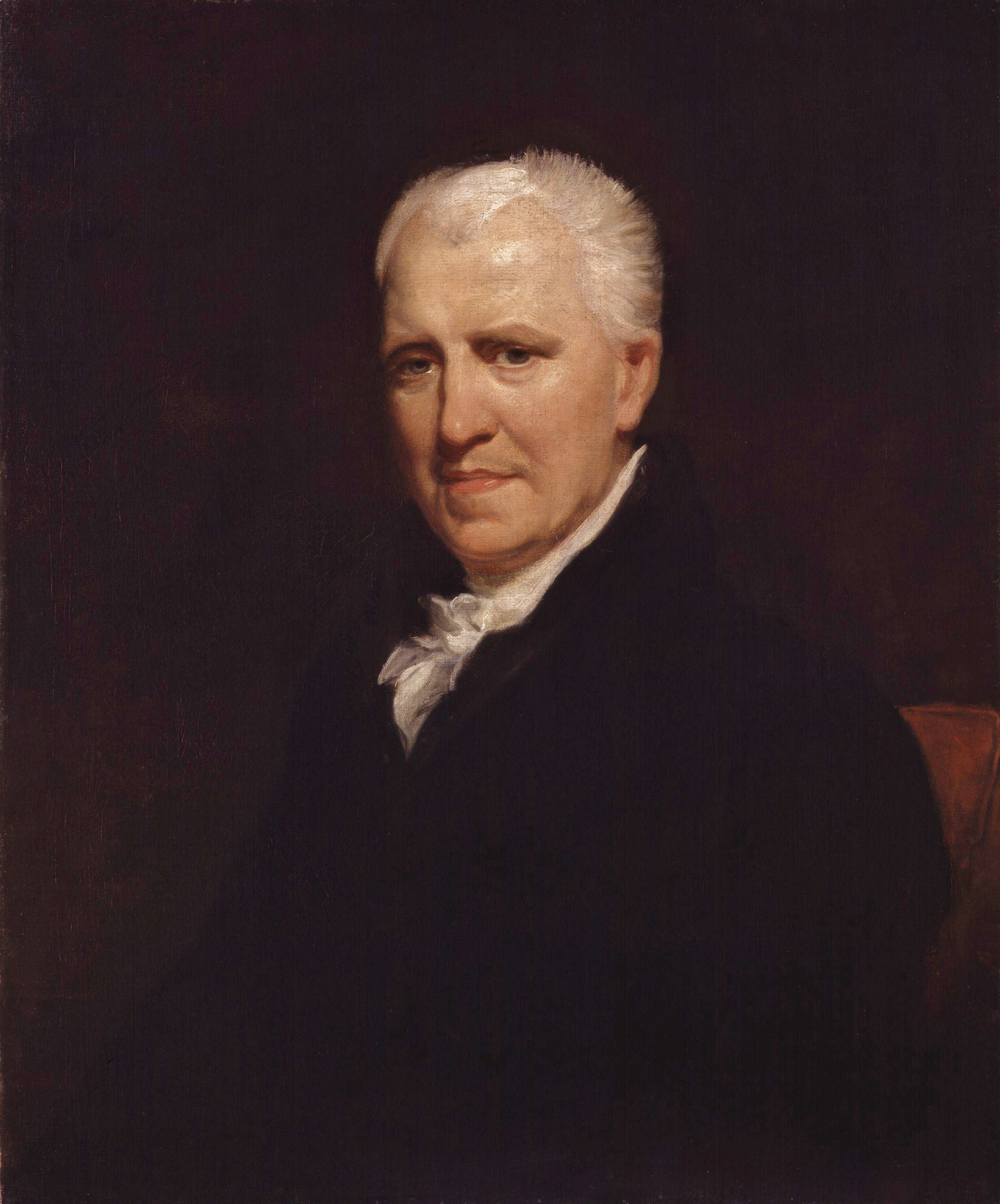
George Crabbe byl anglický klasicistní básník, entomolog a anglikánský kněz.
Jeho otec byl výběrčí daní v Suffolku, v roce 1771 se přestěhoval do Woodbridge, kde se seznámil se svou budoucí manželkou Sarah Elmyovou, s níž se oženil v roce 1783, a která ho velmi podporovala v psaní poesie. Svoji první významnější báseň, Inebriety vydal vlastním nákladem. Studoval medicínu, pocítil však náboženské prozření a stal se anglikánským knězem. V roce 1814 se stal farářem v Trowbridge ve Wiltshire, kde zůstal po zbytek života.
K jeho nejvýznamnějším dílům patří rozsáhlé deskriptivní básně Vesnice , Farská matrika Městečko , popisující značně kritickým tónem, protikladným tehdy obvyklému idylickému stylu, způsob života chudých lidí. Ve své době patřil k nejuznávanějším anglickým literátům, přátelil se s Williamem Wordsworthem, sirem Walterem Scottem a dalšími, jeho velký obdivovatel Byron o něm napsal, že je „nejpřísnějším, ale nejlepším zobrazovatelem přírody“. Jaroslav Vrchlický přeložil ve své antologii Moderní básníci angličtí tři Crabbeho kratší mystické básně – Božství, Noc a Srovnání. Věnoval se také sbírání hmyzu a psal entomologické práce. Wikipedia
“Habit with him was all the test of truth,
It must be right: I’ve done it from my youth.”
The Borough (1810), Letter iii, "The Vicar", line 138.
“T was good advice, and meant, my son, Be good.”
Tale xxi, "The Learned Boy".
Tales in Verse (1812)
“Who calls a lawyer rogue, may find, too late
Upon one of these depends his whole estate.”
Tales iii, "The Gentleman Farmer".
Tales in Verse (1812)
“But 'twas a maxim he had often tried,
That right was right, and there he would abide.”
Tale xv, "The Squire and the Priest". Compare: "For right is right, since God is God", Frederick William Faber, The Right must win.
Tales in Verse (1812)
“In idle wishes fools supinely stay;
Be there a will, and wisdom finds a way.”
The Birth of Flattery, reported in Bartlett's Familiar Quotations, 10th ed. (1919).
“He tried the luxury of doing good.”
Book iii, "Boys at School". Compare: "And learn the luxury of doing good", Oliver Goldsmith, The Traveller, Line 22.
Tales of the Hall (1819)
“Time has touched me gently in his race,
And left no odious furrows in my face.”
Book xvii, "The Widow". Compare: "Touch us gently, Time", Bryan W. Procter, Touch us gently, Time; "Time has laid his hand / Upon my heart, gently", Henry Wadsworth Longfellow, The Golden Legend, iv.
Tales of the Hall (1819)
The Parish Register (1807), Part i, "Introduction". Compare "How commentators each dark passage shun, / And hold their farthing candle to the sun", Edward Young, Love of Fame, Satire vii, Line 97.
“Better to love amiss than nothing to have loved.”
Tale xiv, "The Struggles of Conscience". Compare: "'T is better to have loved and lost, Than never to have loved at all", Alfred Tennyson, In Memoriam, xxvii.
Tales in Verse (1812)
“Our farmers round, well pleased with constant gain,
Like other farmers, flourish and complain.”
The Parish Register (1807), Part 1: "Baptisms", line 273.
“A master passion is the love of news.”
The Newspaper (1785), line 279.
“The murmuring poor, who will not fast in peace.”
The Newspaper (1785), line 158.
“Books cannot always please, however good;
Minds are not ever craving for their food.”
The Borough (1810), Letter xxiv, "Schools".
“In this fool's paradise he drank delight.”
The Borough (1810), Letter xii, "Players".
“Secrets with girls, like loaded guns with boys,
Are never valued till they make a noise.”
"The Maid's Story", line 84 (1819).
Tales of the Hall (1819)
“And took for truth the test of ridicule.”
Book viii, "The Sisters".
Tales of the Hall (1819)
“To sigh, yet not recede; to grieve, yet not repent.”
Book iii, "Boys at School". Compare: To sigh, yet feel no pain", Thomas Moore The Blue Stocking.
Tales of the Hall (1819)
Tale vii, "The Widow's Tale".
Tales in Verse (1812)