„Morálka je soukromý a nákladný luxus.“
Henry Adams kniha The Education of Henry Adams
Originál: (en) Morality is a private and costly luxury.
Zdroj: [Adams, Henry, 1961, The Education of Henry Adams, Forgotten Books, 271, angličtina]
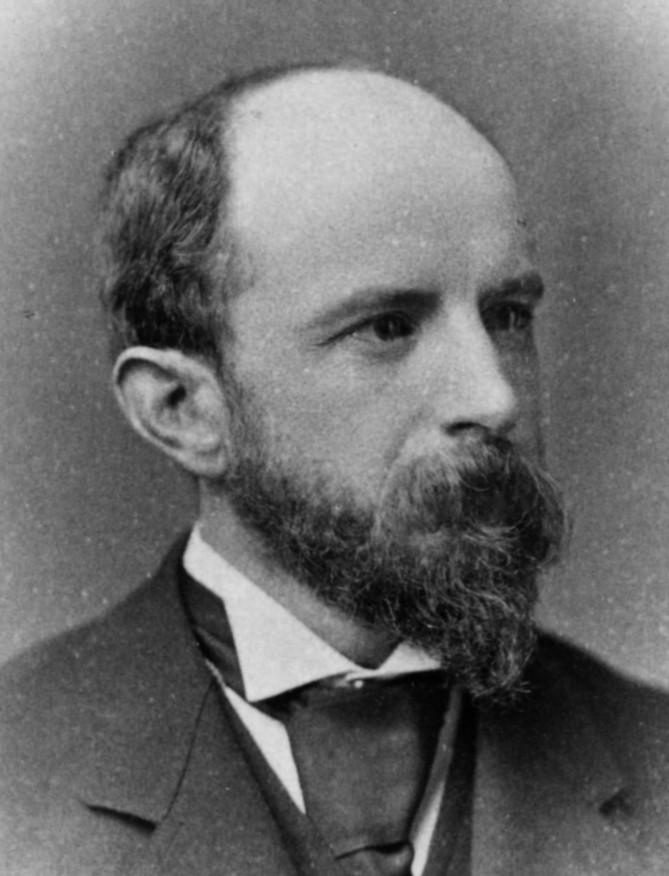
Henry Adams byl americký spisovatel-romanopisec, historik, esejista a tvůrce vícerých životopisných děl.
Narodil se ve významné americké rodině Adamsových, která byla známa díky své politické angažovanosti. Jeho praděd John Adams byl 2. prezidentem USA, jeho děd byl John Quincy Adams, což byl 6. prezident USA. Místo toho, aby využil rodinné konexe a vliv, začal se věnovat literatuře.
Působil jako profesor evropských a amerických dějin na Harvardově univerzitě v letech 1870–1877, přispíval do North American Revue. Později se věnoval cestování, literatuře a vědě. Ve svých dílech se kriticky zamýšlel nad současným světem a nad jeho budoucím vývojem. Jeho díla přinášejí svědectví o změně amerického smýšlení, které se od náboženského základu přesouvá ke konfrontaci s novými společenskými problémy. Pro mnohé studie se stal literárním vzorem a zdrojem. Wikipedia
„Morálka je soukromý a nákladný luxus.“
Henry Adams kniha The Education of Henry Adams
Originál: (en) Morality is a private and costly luxury.
Zdroj: [Adams, Henry, 1961, The Education of Henry Adams, Forgotten Books, 271, angličtina]
Mesquin: paltry, unimaginative, prosaic
Mont Saint Michel and Chartres (1904)
The Education of Henry Adams (1907)
The Education of Henry Adams (1907)
The Education of Henry Adams (1907)
Henry Adams kniha Democracy: An American Novel
Zdroj: Democracy: An American Novel (1880), Ch. XI
The Education of Henry Adams (1907)
The Education of Henry Adams (1907)
The Education of Henry Adams (1907)
The Education of Henry Adams (1907)
Zdroj: Esther: A Novel (1884), Ch. X, the last lines of the novel
“Accident counts for much in companionship as in marriage.”
The Education of Henry Adams (1907)
Mont Saint Michel and Chartres (1904)
“We combat obstacles in order to get repose, and, when got, the repose is insupportable.”
The Education of Henry Adams (1907)
Mont Saint Michel and Chartres (1904)
The Education of Henry Adams (1907)
The Education of Henry Adams (1907)
Esther Dudley's reaction to Niagara Falls, in Ch. IX
Esther: A Novel (1884)
Mont Saint Michel and Chartres (1904)
Zdroj: Esther: A Novel (1884), Ch. IX
The anonymous thirteenth-century poem "Tombeor de Notre Dame", of which Adams gives a fairly detailed summary, is translated in Of the Tumbler of Our Lady and Other Miracles, edited by Alice Kemp-Welsh (London: Chatto & Windus, 1909).
Mont Saint Michel and Chartres (1904)
The Education of Henry Adams (1907)


