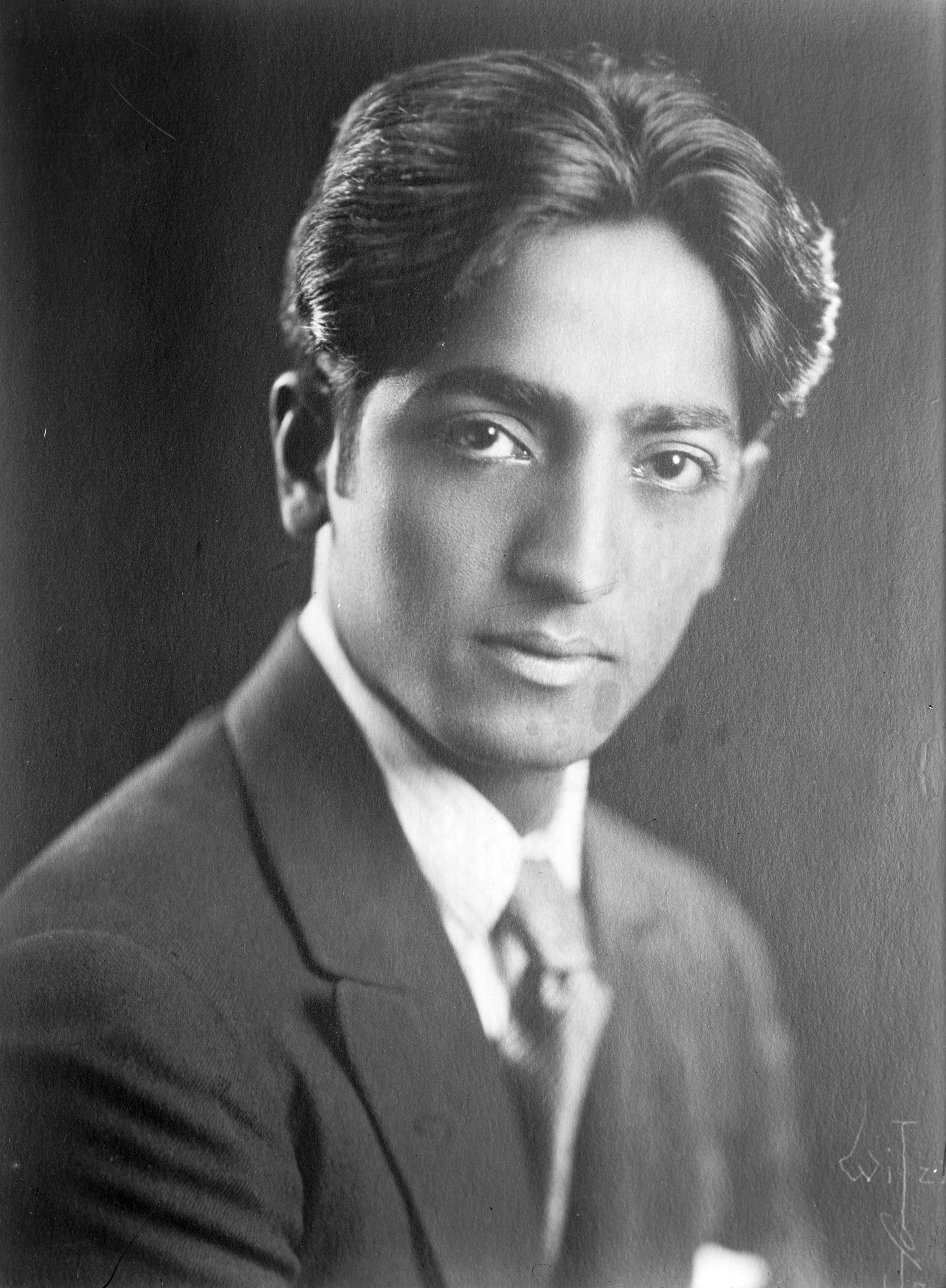
Jiddu Krišnamurtí nejznámější citáty
Jiddu Krišnamurtí citáty a výroky
„Velké štěstí spočívá v tom, že nechceme, že něco nejsme, že nikam nejdeme.“
Zdroj: [Exley, Helen, Pro klid v duši 365 : Citáty na každý den, Zuzana Pavlová, Slovart, Praha, 2018, 368, 978-80-7529-518-7, 353]
„Kdo chce nějakému faktu porozumět, nesmí od něj uhnout.“
Zdroj: KRISHNAMURTI, Jiddu. Volnost, která neví. 2. vydání, přeložil Karel Jadrný 1997, Praha: Aquamarin, 1997, 112 str., ISBN 80-901922-3-8, str. 22
Zdroj: Pro klid v duši. Str. 322.
Jiddu Krišnamurtí: Citáty anglicky
1st Question & Answer Meeting, Brockwood Park, UK (7 September 1971)
1970s
“Why does the brain retain the memory of the hurt from yesterday?”
5th Public Discussion, Saanen, Switzerland (8 August 1971)
1970s
“Can I live a life, daily life, without sense of self-concern?”
4th Public Talk, Saanen, Switzerland (25 July 1971)
1970s
3rd Public Talk, Bangalore, India (13 January 1973)
1970s
“Truth does not belong to an individual.”
10th Conversation with D. Bohm, Brockwood Park, UK and Gstaad, Switzerland (27 September 1975)
1970s
“We are afraid of the known and afraid of the unknown.”
1960s, Freedom From The Known (1969)
Kontext: We are afraid of the known and afraid of the unknown. That is our daily life and in that there is no hope, and therefore every form of philosophy, every form of theological concept, is merely an escape from the actual reality of what is. All outward forms of change brought about by wars, revolutions, reformations, laws and ideologies have failed completely to change the basic nature of man and therefore of society.
Talks in Europe 1968
1970s, Second Penguin Krishnamurti Reader (1973)
“Is it possible to live in this world without the operation of will?”
6th Public Talk, Saanen, Switzerland (29 July 1971)
1970s
2nd Public Talk, Berkeley, California (4 February 1969)
1960s
which is extremely arduous, isn’t it? Because, the more I understand the problem, the more significance there is in it. To understand, I must approach it quietly, not impose on the problem my ideas, my feelings of like and dislike. Then the problem will reveal its significance. Why is it not possible to have tranquillity of the mind right from the beginning? <br class="br"> "Eighth Talk in The Oak Grove, 7 August 1949" http://www.jkrishnamurti.org/krishnamurti-teachings/view-text.php?tid=320&chid=4643&w=%22The+answer+is+in+the+problem%2C+not+away+from+the+problem%22, J.Krishnamurti Online, JKO Serial No. 490807, Vol. V, p. 283 <br class="br">Posthumous publications, The Collected Works
"The core of the teachings (1980) http://www.jkrishnamurti.org/about-krishnamurti/dissolution-speech.php <br class="br">1980s
“And the idea of ourselves is our escape from the fact what we really are.”
Zdroj: What are You Doing with Your Life: Teen Books on Living, Volume 1


