„Proroci jsou tlukoucím srdcem Starého zákona.“
Originál: (en) Prophets are the beating hearts of the Old Testament.
Zdroj: [Rauschenbusch, Walter, 1907, Christianity and the Social Crisis, Westminster John Knox Press, 3, angličtina]
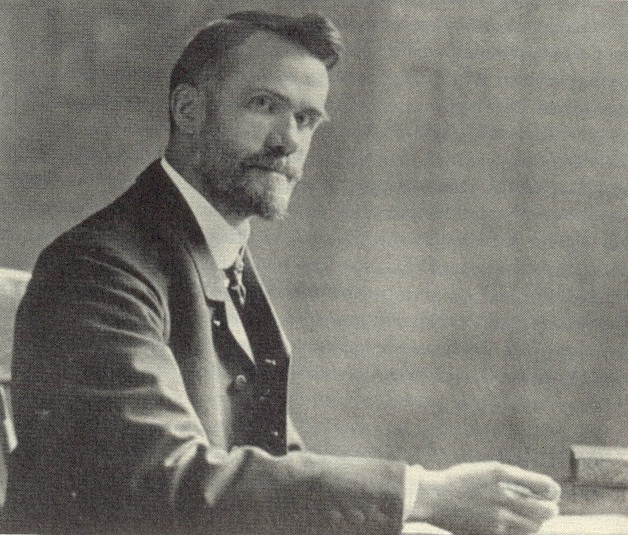
Walter Rauschenbusch byl americký protestantský teolog a baptistický kazatel. Patřil ke klíčovým osobnostem teologického hnutí Social Gospel .
Od roku 1897 byl profesorem Nového zákona na Rochester Theological Seminary; jeho teologická orientace byla liberální.
Významně ovlivnil myšlení Martina Luthera Kinga. Jeho vnukem byl filozof Richard Rorty.
„Proroci jsou tlukoucím srdcem Starého zákona.“
Originál: (en) Prophets are the beating hearts of the Old Testament.
Zdroj: [Rauschenbusch, Walter, 1907, Christianity and the Social Crisis, Westminster John Knox Press, 3, angličtina]
Zdroj: Christianity and the Social Crisis (1907), Ch.4 Why Has Christianity Never Undertaken the Work of Social Reconstruction?, p. 147
Zdroj: Christianizing the Social Order (1912), p. 103
Zdroj: Christianity and the Social Crisis (1907), Introduction, p.xv
Zdroj: Christianity and the Social Crisis (1907), Ch.1 The Historical Roots of Christianity the Hebrew Prophets, p. 2
Zdroj: Christianity and the Social Crisis (1907), Introduction, p.xv
“Under the warm breath of religious faith all social institutions become plastic.”
Zdroj: Christianity and the Social Crisis (1907), Introduction, p.xii
Zdroj: The Social Principles of Jesus (1918), p. 127
Zdroj: Christianity and the Social Crisis (1907), Ch.4 Why Has Christianity Never Undertaken the Work of Social Reconstruction?, p. 143
Zdroj: Christianity and the Social Crisis (1907), Ch.4 Why Has Christianity Never Undertaken the Work of Social Reconstruction?, p. 150
Zdroj: Christianity and the Social Crisis (1907), Ch.1 The Historical Roots of Christianity the Hebrew Prophets, p. 8
Zdroj: Christianity and the Social Crisis (1907), Ch.4 Why Has Christianity Never Undertaken the Work of Social Reconstruction?, p. 149
Zdroj: Christianity and the Social Crisis (1907), Introduction, p.xii
Zdroj: Christianity and the Social Crisis (1907), Ch.4 Why Has Christianity Never Undertaken the Work of Social Reconstruction?, p. 146
Zdroj: Christianity and the Social Crisis (1907), Ch.1 The Historical Roots of Christianity the Hebrew Prophets, p. 10
Zdroj: Christianity and the Social Crisis (1907), Ch.2 The Social Aims of Jesus, p. 54
Zdroj: Christianity and the Social Crisis (1907), Introduction, p. xi
Zdroj: Christianity and the Social Crisis (1907), Ch.2 The Social Aims of Jesus, p. 49-50
Zdroj: Christianity and the Social Crisis (1907), Ch.4 Why Has Christianity Never Undertaken the Work of Social Reconstruction?, p. 150
Zdroj: Christianizing the Social Order (1912), p. 109
Zdroj: Christianizing the Social Order (1912), p. 104
Zdroj: Christianity and the Social Crisis (1907), Ch.2 The Social Aims of Jesus, p. 48-49
Zdroj: Christianity and the Social Crisis (1907), Introduction, p.xii
Zdroj: Christianity and the Social Crisis (1907), Ch.2 The Social Aims of Jesus, p. 55
Zdroj: Christianity and the Social Crisis (1907), Introduction, p. xi-xii
Zdroj: Christianity and the Social Crisis (1907), Introduction, p.xiv
Zdroj: Christianizing the Social Order (1912), p. 108
Zdroj: Christianity and the Social Crisis (1907), Ch.4 Why Has Christianity Never Undertaken the Work of Social Reconstruction?, p. 150
Zdroj: Christianity and the Social Crisis (1907), Ch.1 The Historical Roots of Christianity the Hebrew Prophets, p. 4
Zdroj: Christianity and the Social Crisis (1907), Ch.1 The Historical Roots of Christianity the Hebrew Prophets, p. 9
Zdroj: Christianizing the Social Order (1912), p. 103 http://books.google.com/books?id=f8z9hCMTGOwC&pg=PA103


