„Proroci jsou tlukoucím srdcem Starého zákona.“
Originál: (en) Prophets are the beating hearts of the Old Testament.
Zdroj: [Rauschenbusch, Walter, 1907, Christianity and the Social Crisis, Westminster John Knox Press, 3, angličtina]
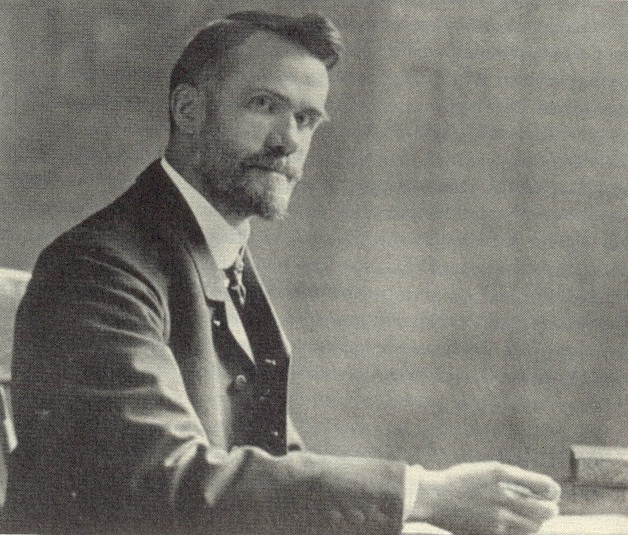
Walter Rauschenbusch byl americký protestantský teolog a baptistický kazatel. Patřil ke klíčovým osobnostem teologického hnutí Social Gospel .
Od roku 1897 byl profesorem Nového zákona na Rochester Theological Seminary; jeho teologická orientace byla liberální.
Významně ovlivnil myšlení Martina Luthera Kinga. Jeho vnukem byl filozof Richard Rorty.
„Proroci jsou tlukoucím srdcem Starého zákona.“
Originál: (en) Prophets are the beating hearts of the Old Testament.
Zdroj: [Rauschenbusch, Walter, 1907, Christianity and the Social Crisis, Westminster John Knox Press, 3, angličtina]
Zdroj: Christianity and the Social Crisis (1907), Ch.2 The Social Aims of Jesus, p. 53
Zdroj: Christianity and the Social Crisis (1907), Ch.2 The Social Aims of Jesus, p. 47
Zdroj: Christianity and the Social Crisis (1907), Ch.2 The Social Aims of Jesus, p. 91
Zdroj: Christianity and the Social Crisis (1907), Ch.1 The Historical Roots of Christianity the Hebrew Prophets, p. 12
Zdroj: Christianity and the Social Crisis (1907), Ch.4 Why Has Christianity Never Undertaken the Work of Social Reconstruction?, p. 145
Zdroj: Christianizing the Social Order (1912), p. 104
Zdroj: Christianity and the Social Crisis (1907), Ch.1 The Historical Roots of Christianity the Hebrew Prophets, p. 13
Zdroj: Christianity and the Social Crisis (1907), Ch.1 The Historical Roots of Christianity the Hebrew Prophets, p. 12-13
Kontext: There is no question on which side the sympathy of the prophets was enlisted. Their protest against injustice and oppression, to the neglect of all other social evils, is almost monotonous.
Zdroj: Christianity and the Social Crisis (1907), Ch.4 Why Has Christianity Never Undertaken the Work of Social Reconstruction?, p. 149
Zdroj: Christianity and the Social Crisis (1907), Ch.1 The Historical Roots of Christianity the Hebrew Prophets, p. 12
Zdroj: Christianity and the Social Crisis (1907), Ch.4 Why Has Christianity Never Undertaken the Work of Social Reconstruction?, p. 150
Zdroj: Christianity and the Social Crisis (1907), Ch.4 Why Has Christianity Never Undertaken the Work of Social Reconstruction?, p. 150
Zdroj: Christianizing the Social Order (1912), p. 105
Zdroj: Christianity and the Social Crisis (1907), Ch.4 Why Has Christianity Never Undertaken the Work of Social Reconstruction?, p. 147-148
“The better we know Jesus, the more social do his thoughts and aims become.”
Zdroj: Christianity and the Social Crisis (1907), Ch.2 The Social Aims of Jesus, p. 46
Zdroj: Christianity and the Social Crisis (1907), Ch.1 The Historical Roots of Christianity the Hebrew Prophets, p. 5
Zdroj: Christianity and the Social Crisis (1907), Ch.1 The Historical Roots of Christianity the Hebrew Prophets, p. 3
Zdroj: Christianity and the Social Crisis (1907), Ch.4 Why Has Christianity Never Undertaken the Work of Social Reconstruction?, p. 144
Zdroj: Christianizing the Social Order (1912), p. 106
Zdroj: Christianity and the Social Crisis (1907), Ch.4 Why Has Christianity Never Undertaken the Work of Social Reconstruction?, p. 149-150
Zdroj: Christianizing the Social Order (1912), p. 103
Isaiah I. 10-17.
Zdroj: Christianity and the Social Crisis (1907), Ch.1 The Historical Roots of Christianity the Hebrew Prophets, p. 5
Zdroj: Christianity and the Social Crisis (1907), Ch.4 Why Has Christianity Never Undertaken the Work of Social Reconstruction?, p. 143-144


