“Dont speak of tomorrow. Let the music speak to us tonight, in a happier language than ours.”
Wilkie Collins kniha The Woman in White
Varianta: Let the music speak to us of tonight, in a happier language than our own.
Zdroj: The Woman in White
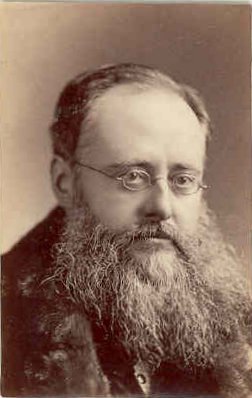
William Wilkie Collins byl anglický romanopisec, autor povídek a divadelních her. Svá díla vydával pod jménem Wilkie Collins. Řadí se k autorům tzv. senzačních románů , které byly velmi populární v Anglii 60. a 70. let 19. století.
Za svůj život vydal 23 románů, šest sbírek povídek, jednu sbírku esejí, jeden cestopis, jednu biografii, patnáct divadelních her, přes 100 prací faktografického rázu a obrovské množství povídek, které nebyly vydány knižně, ale jen v časopisech.
Ve své době byl jedním z nejvyhledávanějších a také nejlépe placených spisovatelů. Přátelil se s mnoha význačnými osobnostmi z literárních kruhů, velmi blízko měl zejména ke spisovateli Charlesi Dickensovi. Ale na rozdíl od Dickense, jehož popularita po smrti vzrůstala, bylo Collinsovo jméno trochu pozapomenuto. Nicméně v současnosti se stávají práce Wilkieho Collinse předmětem pozornosti kritiků i čtenářů. Napomáhají tomu i poměrně časté televizní a filmové adaptace jeho děl.
Ve čtyřech svazcích byly vydány všechny jeho dopisy, které zveřejnily mnohé z jeho bouřlivého života. Vedl velmi nekonvenční, bohémský život, miloval dobré jídlo a víno, rád a často cestoval, udržoval dlouhodobé vztahy se dvěma ženami, ale s ani jednou se neoženil, a dlouhodobě se oddával braní velkých dávek opia, aby si ulevil od bolestí. Collinsův neortodoxní životní styl naznačuje jeho cynický pohled na tehdejší upjatou viktoriánskou společnost. To, spolu s jeho smyslem pro humor a kritikou křivd, jež se na lidech dopouštěla společnost, je patrné i v jeho románech.
K nejznámějším dílům Wilkieho Collinse se řadí romány Žena v bílém , Měsíční kámen , Armadale a Bezejmenný. Wikipedia
“Dont speak of tomorrow. Let the music speak to us tonight, in a happier language than ours.”
Wilkie Collins kniha The Woman in White
Varianta: Let the music speak to us of tonight, in a happier language than our own.
Zdroj: The Woman in White
“My hour for tea is half-past five, and my buttered toast waits for nobody.”
Wilkie Collins kniha The Woman in White
Volume II [Tauchnitz, 1860] ( p. 226 https://books.google.com/books?id=xAm2X8YfpJIC&pg=PA226) <br class="br">Also in The Secret Ingredient by Laura Schaefer [Simon & Schuster, 2012, ISBN 1-442-41960-1] ( p. 169 https://books.google.com/books?id=o1ctj37QuikC&pg=PA169) <br class="br">Zdroj: The Woman in White (1859)
Wilkie Collins kniha The Woman in White
Volume 1 [Bernhard Tauchnitz, 1860] ( p. 336 https://books.google.com/books?id=rszxUvpszaMC&pg=PA336) <br class="br">Also in The King of Inventors: A Life of Wilkie Collins by Catherine Peters ( p. 224 https://books.google.com/books?id=T0AABAAAQBAJ&pg=PA224) <br class="br">Zdroj: The Woman in White (1859)
“No sensible man ever engages, unprepared, in a fencing match of words with a woman.”
Wilkie Collins kniha The Woman in White
Zdroj: The Woman in White
“Our words are giants when they do us an injury, and dwarfs when they do us a service.”
Wilkie Collins kniha The Woman in White
Zdroj: The Woman in White
“The best men are not consistent in good—why should the worst men be consistent in evil?”
Wilkie Collins kniha The Woman in White
Zdroj: The Woman in White
Wilkie Collins kniha The Woman in White
Zdroj: The Woman in White
Wilkie Collins kniha The Woman in White
Zdroj: Collins explaining what he calls the literary principal guiding him, in the preface of the second edition of The Woman in White. Also in Reality's Dark Light: The Sensational Wilkie Collins by Maria K. Bachman & Don Richard Cox [University of Tennessee Press, 2003, ISBN 1-572-33274-3] ( p. xiv https://books.google.com/books?id=_X8AlmIp0dwC&pg=PR14)
Wilkie Collins kniha The Moonstone
[Street, 1868] ( p. 86 https://books.google.com/books?id=sAqXBQAAQBAJ&pg=PA82) <br class="br">Also in Soulsalsa: 17 Surprising Steps for Godly Living in the 21st Century https://books.google.com/books?id=E2S3nWp-lAgC&pg=PT61 by Leonard Sweet [Zondervan, 2009, ISBN 0-310-83380-9] <br class="br">Zdroj: The Moonstone (1868)
“Some of us rush through life and some of us saunter through life. Mrs. Vesey sat through life.”
Wilkie Collins kniha The Woman in White
Zdroj: The Woman in White
Wilkie Collins kniha The Moonstone
Also in Recipes from an Edwardian Country House: A Stately English Home Shares Its Classic Tastes by Laura Schaefer [Simon & Schuster, 2013, ISBN 1-476-73033-4] ( p. 22 https://books.google.com/books?id=zZPzAQAAQBAJ&pg=PA22) <br class="br">Zdroj: The Moonstone [Street, 1868] ( p. 49 https://books.google.com/books?id=FmsOAAAAQAAJ&pg=PA49).
Wilkie Collins kniha The Woman in White
Zdroj: The Woman in White
Wilkie Collins kniha The Woman in White
Zdroj: The Woman in White
Wilkie Collins kniha The Woman in White
Zdroj: The Woman in White
“This is the story of what a Woman's patience can endure, and what a Man's resolution can achieve.”
Wilkie Collins kniha The Woman in White
Zdroj: The Woman in White
Wilkie Collins kniha The Woman in White
Zdroj: The Woman in White
“I am nothing but a bundle of nerves dressed up to look like a man.”
Wilkie Collins kniha The Woman in White
Volume II [Tauchnitz,
Zdroj: The Woman in White (1859)
Wilkie Collins kniha The Woman in White
Zdroj: The Woman in White
Wilkie Collins kniha The Woman in White
Zdroj: The Woman in White
Wilkie Collins kniha The Woman in White
Zdroj: The Woman in White
Wilkie Collins kniha The Woman in White
Zdroj: The Woman in White
“People who read stories are said to have excitable brains.”
Heart and Science: A Story of the Present Time - Vol. II [Bernhard Tauchnitz] ( p. 57 https://books.google.com/books?id=sKYzAQAAMAAJ&pg=PA57) <br class="br">Also in Wilkie Collins: An Illustrated Guide by Andrew Collins & Catherine Peters [Oxford University Press, 1998] (p. 139)
Wilkie Collins kniha The Moonstone
[Street, 1868] ( p. 54 https://books.google.com/books?id=FmsOAAAAQAAJ&pg=PA18) <br class="br">Also in Convict Voices: Women, Class, and Writing about Prison in Nineteenth-Century England by Anne Schwan [University of New Hampshire Press, 2014, ISBN 1611686725] ( p. 82 https://books.google.com/books?id=sAqXBQAAQBAJ&pg=PA82) <br class="br">The Moonstone (1868)
Wilkie Collins kniha The Law and the Lady
The Law and the Lady [Harper & Brothers Publishers, 1875] ( p. 195) <br class="br">Also in Gothic Returns in Collins, Dickens, Zola, and Hitchcock by Eleanor Salotto [Springer, 2016, ISBN 1-137-11770-2 https://books.google.com/books?id=qPmE-w86r0AC&pg=PA195 ( p. 39 https://books.google.com/books?id=recYDAAAQBAJ&pg=PA39) <br class="br">The Law and the Lady (1875)
Wilkie Collins kniha Armadale
Armadale - Vol. II [Collier, 1886] ( p. 130 https://books.google.com/books?id=v7sBAAAAQAAJ&pg=PA130) <br class="br">Also in Literature and Religion in Mid-Victorian England: From Dickens to Eliot by Carolyn Oulton [Springer, 2002, ISBN 0-230-50464-7] ( p. 136 https://books.google.com/books?id=abuADAAAQBAJ&pg=PA136)
“Men ruin themselves headlong for unworthy women.”
Wilkie Collins kniha Man and Wife
Man and Wife - Vol. II [Bernhard Tauchnitz, 1870] ( p. 235 https://books.google.com/books?id=Dp-ZFYLTW6QC&pg=PA235) <br class="br">Also in Wilkie Collins: Man of Mystery and Imagination by Alexander Grinstein [International Universities Press, 2003, 0-823-66681-6] (p. 155)


